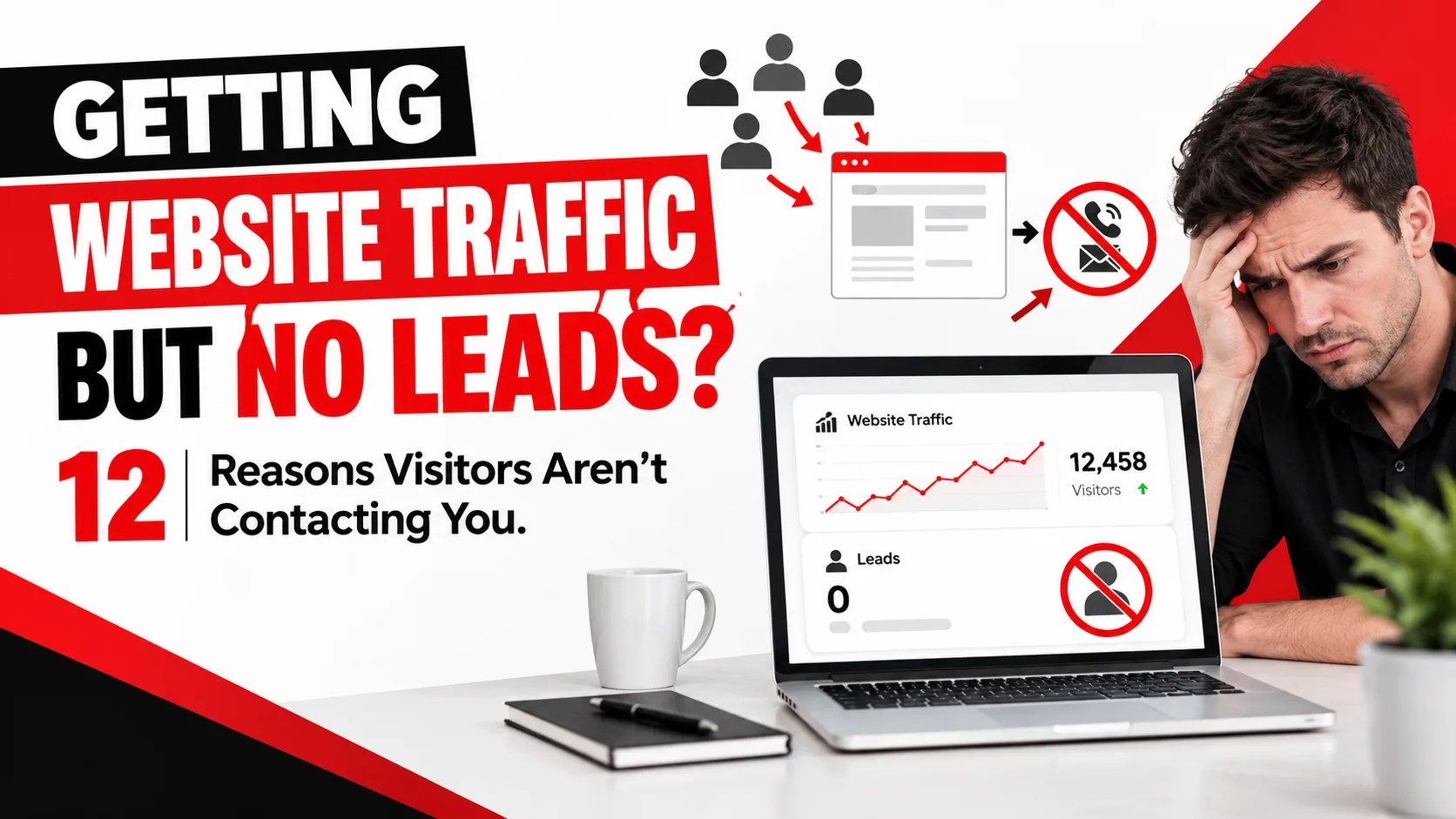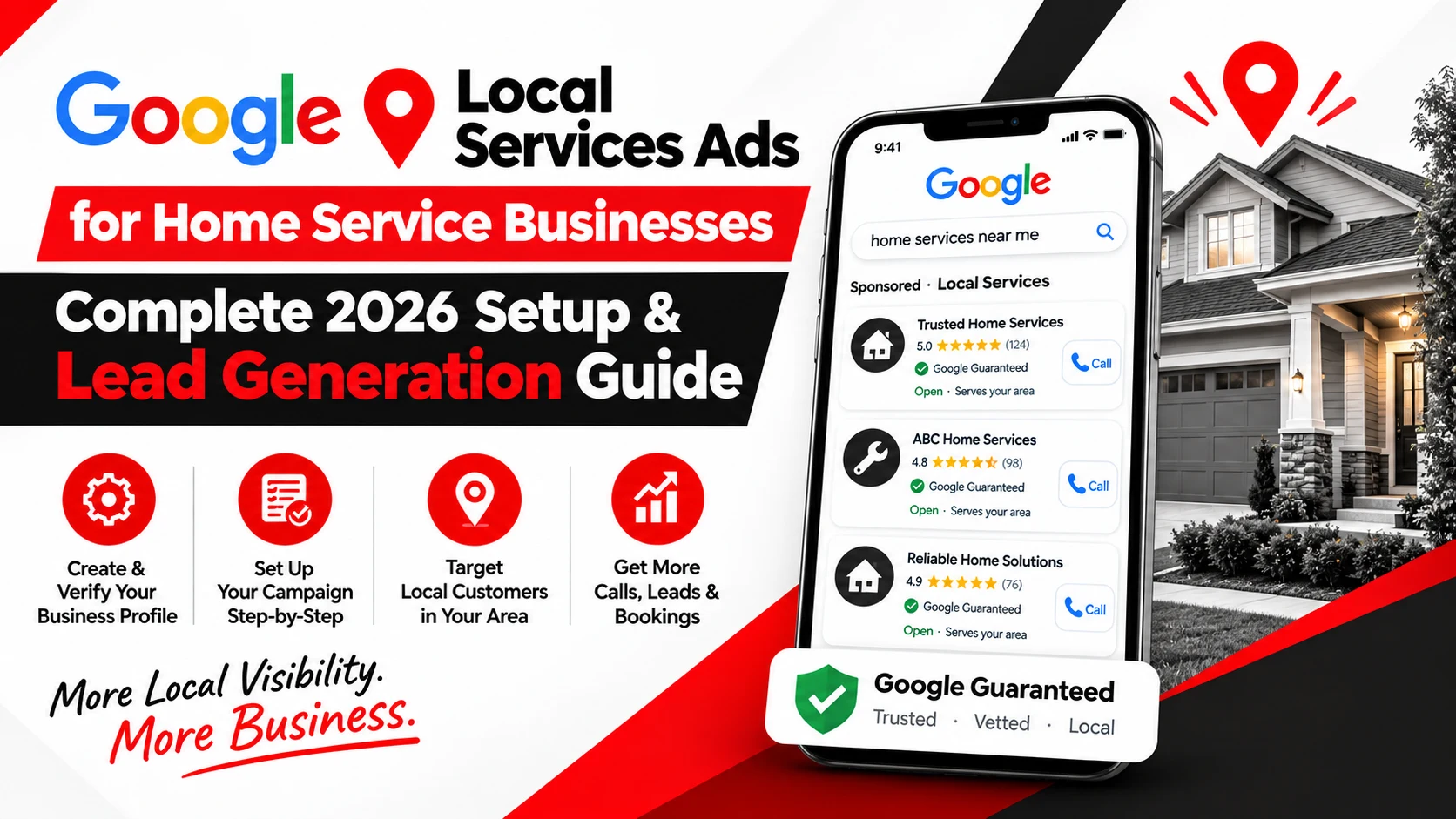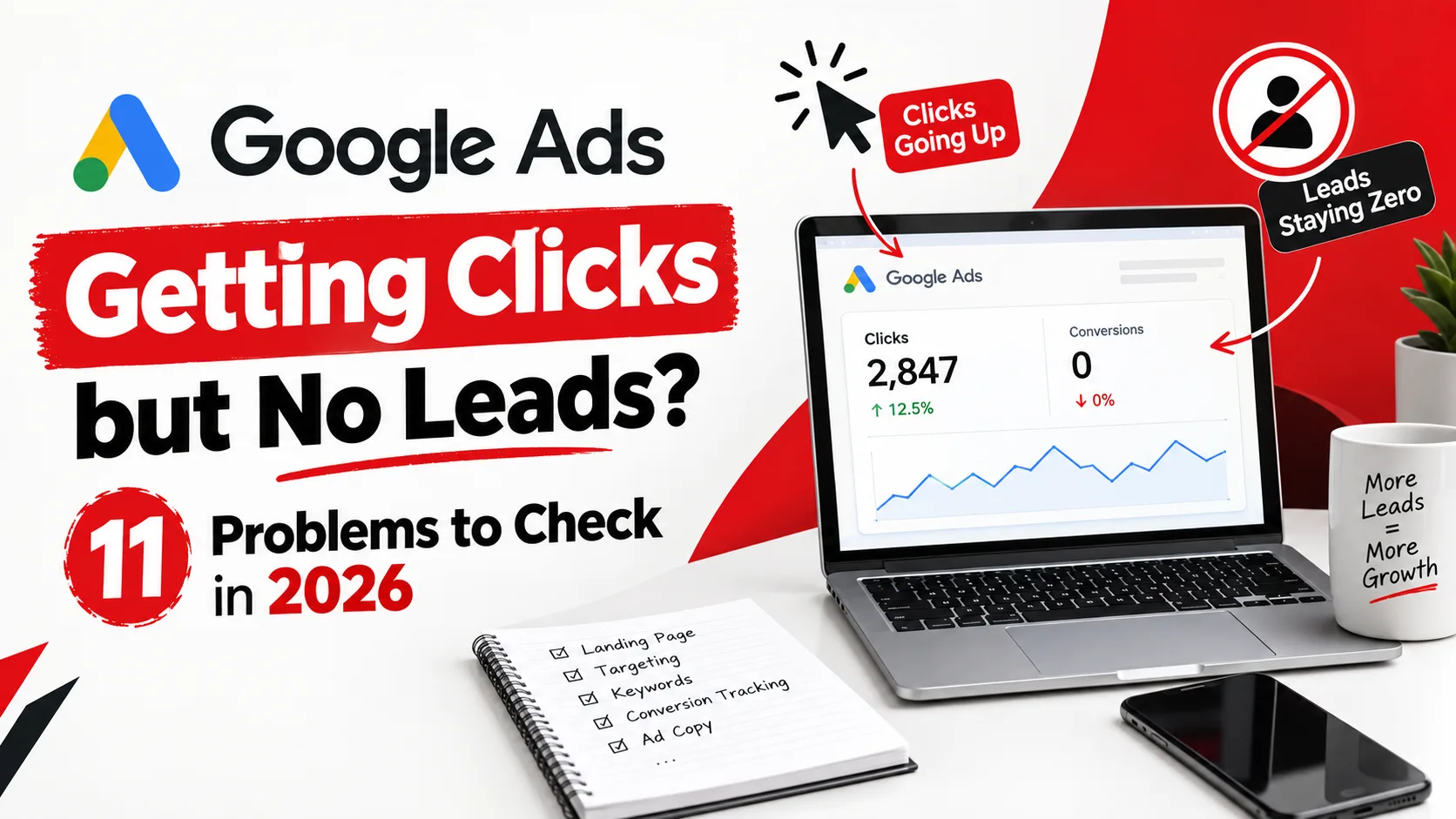

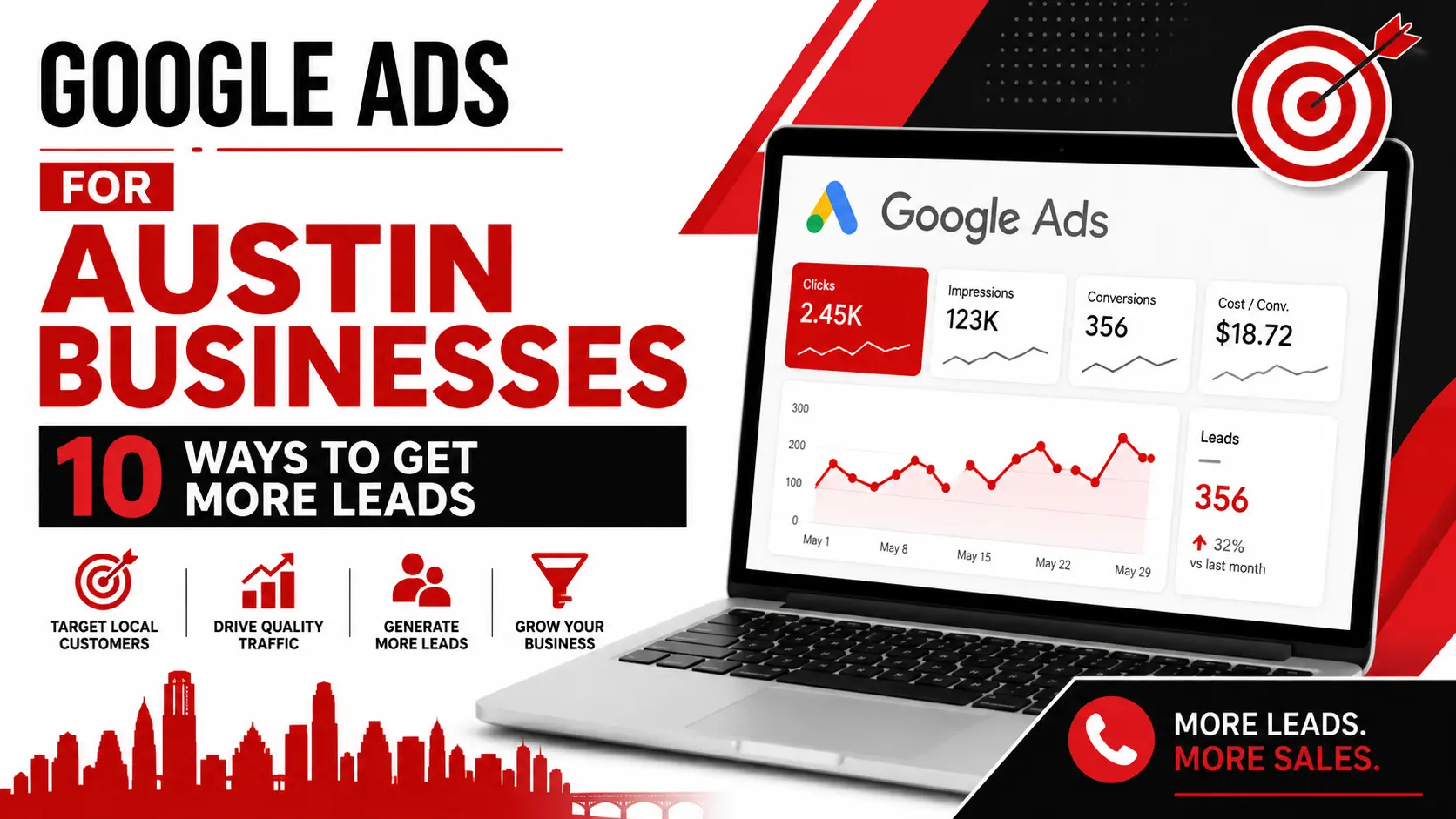
A business can have a well-designed website and genuinely great services and still struggle to bring in consistent leads. Often, the problem isn't the business itself; it's visibility at the exact moment someone is searching for what that business offers. This is where Google Ads for Austin Businesses becomes useful. Paid search puts a company in front of people actively looking for a product or service, not just people browsing.
But running ads isn't the same as running effective ads. Successful campaigns depend on more than a budget and a few keywords. They depend on keyword selection, search intent, location targeting, ad messaging, landing pages, conversion tracking, and ongoing optimisation working together. This article walks through 10 practical ways Austin businesses can get more out of their Google Ads campaigns and where things commonly go wrong.
Why Google Ads Can Work for Austin Businesses
There's a meaningful difference between someone casually browsing online and someone actively searching for a solution to a specific problem. A person scrolling social media isn't necessarily looking to buy anything. A person typing "plumber Austin," "HVAC repair Austin," "Austin personal injury lawyer," or "digital marketing agency Austin" into Google usually is.
That difference in intent is what makes paid search advertising valuable. These are high-intent searches; the person has a need and is looking for someone to meet it right now. Google Ads for Austin Businesses gives companies a way to show up in that exact moment, ahead of organic results, with a message tailored to what the searcher is looking for.
That said, Google Ads doesn't automatically generate leads. Showing up for the right search is only the first step. What happens after the click the ad copy, the landing page, the offer, the tracking determines whether that visibility turns into real business.
10 Ways Austin Businesses Can Get More Leads From Google Ads
1. Target High-Intent Keywords
Not all keywords are created equal, and chasing search volume alone is a common mistake. What matters more is search intent: what the person actually wants when they type a query.
An informational search like "how does AC repair work?" reflects someone doing research. A commercial or local search like "AC repair Austin" reflects someone who likely wants to hire a company soon. Google Ads for Austin Businesses works best when campaigns focus on transactional and local keywords- searches closest to an actual buying or hiring decision rather than broad, informational terms that rarely convert.
Categorising keywords into transactional, commercial, local, and informational intent helps businesses understand which searches are worth bidding on and which ones are better left to organic content. A roofing company, for example, will typically get far more value from "roof repair Austin" than from a broad term like "roofing tips."
2. Use Austin-Specific Location Targeting
Geographic targeting is one of the simplest ways to control ad spend, yet it's frequently overlooked. Campaigns should be built around the areas a business actually serves, Austin itself, along with any relevant surrounding communities, rather than an entire state or a vague regional radius.
Overly broad location targeting is one of the fastest ways to waste a budget. If a business only serves Austin and nearby areas but its campaign targets all of Texas, a meaningful portion of the budget may go toward clicks that can never become customers. Structuring campaigns around specific, relevant locations helps keep spend focused on people who can realistically become paying customers.
3. Write Ads That Match What Customers Are Searching For
There's a direct relationship between the keyword someone searches, the ad they see, and the page they land on. When that chain breaks, campaigns underperform.
If someone searches "Emergency Plumber Austin," the ad they see should speak directly to that: emergency availability, confirmation that the business serves Austin, a clear benefit, and an obvious next step. A generic ad about "quality plumbing services" doesn't answer the searcher's actual question fast enough.
This kind of message relevance matters for two reasons. It improves the experience for the person searching, and it tends to improve campaign efficiency, since ads that closely match search intent typically perform better than vague, one-size-fits-all messaging.
4. Send Every Ad to a Relevant Landing Page
Sending paid traffic to a general homepage is one of the most common ways businesses undercut their own campaigns. A homepage is built to introduce a whole business; a landing page should answer one specific question.
A plumbing campaign should point to a plumbing landing page. An SEO campaign should point to an SEO service page. Each landing page should reinforce message match with a clear headline, a straightforward call to action, visible trust signals, fast load times, solid mobile usability, and a short, low-friction form.
Landing page quality has a direct effect on conversions. A business can pair strong Ingenious Hi-Tech Google Ads for Austin Businesses campaigns with weak landing pages and still see disappointing results, which is why website optimisation and ad strategy need to work together rather than as separate projects.
5. Track Leads, Not Just Clicks
Impressions and clicks are visible and easy to check, but they don't tell a business whether a campaign is actually working. Click-through rate can look great while conversion rate and cost per lead tell a very different story.
More clicks do not automatically mean more business. What matters is what happens after the click: phone calls, form submissions, quote requests, bookings, or purchases. Setting up conversion tracking for these actions allows a business to see which campaigns, keywords, and ads are actually producing valuable leads, not just traffic.
Without this level of tracking, it's easy to keep spending on campaigns that generate activity but not results.
6. Use Negative Keywords to Reduce Wasted Spend
Negative keywords tell Google which searches an ad should not show up for. A professional service business, for example, may not want clicks from searches that include terms like "free," "jobs," "salary," "training," or "course" with a completely different intent than hiring or buying.
Adding negative keywords helps filter out irrelevant traffic before it costs the business money. There's no universal negative keyword list that works for every industry, since the right terms to exclude depend on actual search-term reports and the specific goals of the business. Reviewing this data regularly is part of keeping a campaign efficient.
7. Test Different Ad Messages
One ad, even a well-written one, shouldn't be treated as a finished product. Different messaging angles resonate differently with different audiences, and the only way to know what works is to test.
Businesses can experiment with messaging around value, speed, experience, local availability, specific service benefits, or legitimate offers. The key is structured testing: changing one variable at a time, rather than rewriting several elements at once, so it's clear which change actually influenced performance. Random, simultaneous changes make it nearly impossible to know what worked and what didn't.
8. Optimise for Mobile Lead Generation
A large share of local searches happen on mobile devices, which makes the mobile experience directly tied to lead generation. If a landing page is slow, hard to read, or difficult to navigate on a phone, a portion of interested visitors will simply leave.
For local service businesses especially, mobile pages should make it effortless to take action: prominent click-to-call buttons, short forms, easy-to-read text, fast load times, and clearly visible calls to action. Someone searching for an urgent service on their phone should never have to hunt for a phone number or fill out a lengthy form to reach the business.
9. Adjust Budget Toward What Actually Converts
Budget decisions should be based on performance data and business value, not guesswork. That means regularly reviewing cost per lead, conversion rate, lead quality, and how individual keywords, campaigns, and locations are performing.
It's worth being careful here: businesses shouldn't automatically shift more budget to whichever campaign produces the cheapest leads. A $20 lead that never turns into a paying customer can be far less valuable than a $60 lead that regularly converts into real business. Lead quality, not just lead cost, should guide budget decisions. This is one of the areas where thoughtful Google Ads management makes a measurable difference over time.
10. Optimise Google Ads Continuously
Google Ads campaigns are not a "set it and forget it" tool. Search behaviour shifts, competitors adjust their bids, and what worked last quarter may not work as well this quarter.
Ongoing optimisation means regularly reviewing search terms, keywords, negative keywords, ad copy, landing pages, budgets, location performance, and conversion data. Decisions should be based on what the data actually shows, not assumptions. Businesses that treat their Google Ads for Austin Businesses campaigns as an evolving system rather than a one-time setup tend to see steadier, more predictable results over time.
How Much Should Austin Businesses Spend on Google Ads?
There's no single "right" monthly budget for Google Ads in Austin, and any number offered without context should be treated with scepticism. The right budget depends on factors specific to each business: industry, level of competition, average customer value, expected conversion rate, typical cost per click, service area size, lead quality, and how much new business the company can actually take on.
A useful starting point is understanding the value of a single qualified lead what a new customer is typically worth to the business before deciding how aggressively to advertise. A business with a high customer lifetime value can often justify a higher cost per lead than a business with thin margins. Budget should follow business economics, not an arbitrary industry benchmark.
Google Ads vs SEO for Austin Businesses: Which Is Better?
Google Ads and SEO solve different problems, and the better choice often depends on timeline and goals.
Google Ads offers faster visibility, since ads can appear as soon as a campaign launches. It also gives businesses more direct control over targeting, messaging, and budget, but that visibility depends on continuous ad spend.
SEO takes longer to build. Organic rankings develop over months, not days, but they can provide long-term visibility without an ongoing cost per click. SEO also requires its own continuous optimisation to maintain and improve rankings.
Rather than treating this as an either-or decision, many Austin businesses use both together: paid search to capture immediate demand while Ingenious Hi-Tech build organic visibility that compounds over time.
Common Google Ads Mistakes Austin Businesses Should Avoid
- Targeting overly broad keywords that attract irrelevant clicks.
- Sending traffic to irrelevant pages, like a homepage, instead of a matching landing page.
- Not tracking conversions, making it impossible to know what's working.
- Ignoring negative keywords, allowing irrelevant searches to drain budget.
- Targeting locations the business doesn't serve.
- Focusing only on clicks instead of actual leads and sales.
- Never testing ad copy, missing opportunities to improve performance.
- Making decisions without enough data, acting on assumptions instead of evidence.
- Ignoring lead quality in favour of chasing the lowest cost per click.
- Launching campaigns and never reviewing them, letting performance quietly decline.
When Should an Austin Business Hire a Google Ads Professional?
Managing paid search well takes ongoing attention, and there are clear signs it may be time to bring in outside help. Professional support can make sense when ad spend keeps rising without better results, leads are inconsistent, cost per click is climbing, conversion tracking is unclear or missing, irrelevant searches are consuming the budget, multiple services need separate campaigns, landing pages need improvement, the business owner doesn't have time to monitor campaigns closely, or competitors are aggressively bidding on the same valuable searches.
Ingenious Hi-Tech can help Austin businesses build, manage, track, and optimise Google Ads campaigns around measurable business goals from keyword strategy and ad creation to landing page alignment and conversion tracking. Results depend on many factors specific to each business and industry, so no outcome can be guaranteed, but a structured, data-driven approach tends to produce steadier performance than an unmanaged account.
Frequently Asked Questions:
Are Google Ads worth it for Austin businesses?
It depends on the specific business. Profitability is shaped by customer value, industry competition, conversion rate, campaign quality, and lead quality. A well-managed campaign built around qualified leads is far more likely to be worthwhile than a broad campaign with no ongoing optimisation.
How much do Google Ads cost in Austin?
There's no universal price. Costs vary based on industry, keyword competitiveness, targeting choices, and how well a campaign is structured. Some industries have significantly higher cost per click than others.
How quickly can Google Ads generate leads?
Ads can start generating traffic almost immediately after launch, but consistent, profitable performance usually requires a period of testing and optimisation, refining keywords, ad copy, and landing pages based on real campaign data.
Should small Austin businesses use Google Ads?
It can make sense for small businesses, particularly service-based companies with a clear, definable service area and a reasonable customer value. It tends to work best when there's a clear plan for tracking leads and managing budget, rather than an open-ended spend with no oversight.
Is Google Ads better than SEO?
Neither is strictly "better"; they serve different purposes. Google Ads offers faster visibility with ongoing cost, while SEO builds longer-term organic visibility. Many businesses benefit from using both together.
Final Takeaway
Effective paid search comes down to a simple framework: Target → Match → Convert → Track → Optimise. Each step depends on the one before it: the right keyword leads to the right ad, the right ad leads to the right landing page, and the right landing page leads to a tracked, measurable conversion.
Successful Google Ads for Austin Businesses isn't about generating the most clicks. It's about attracting relevant visitors who have a realistic chance of becoming customers, and continuously refining the campaign based on what the data shows. If your business needs help building or improving a Google Ads strategy, the team at Ingenious Hi-Tech is available to help you get started.