
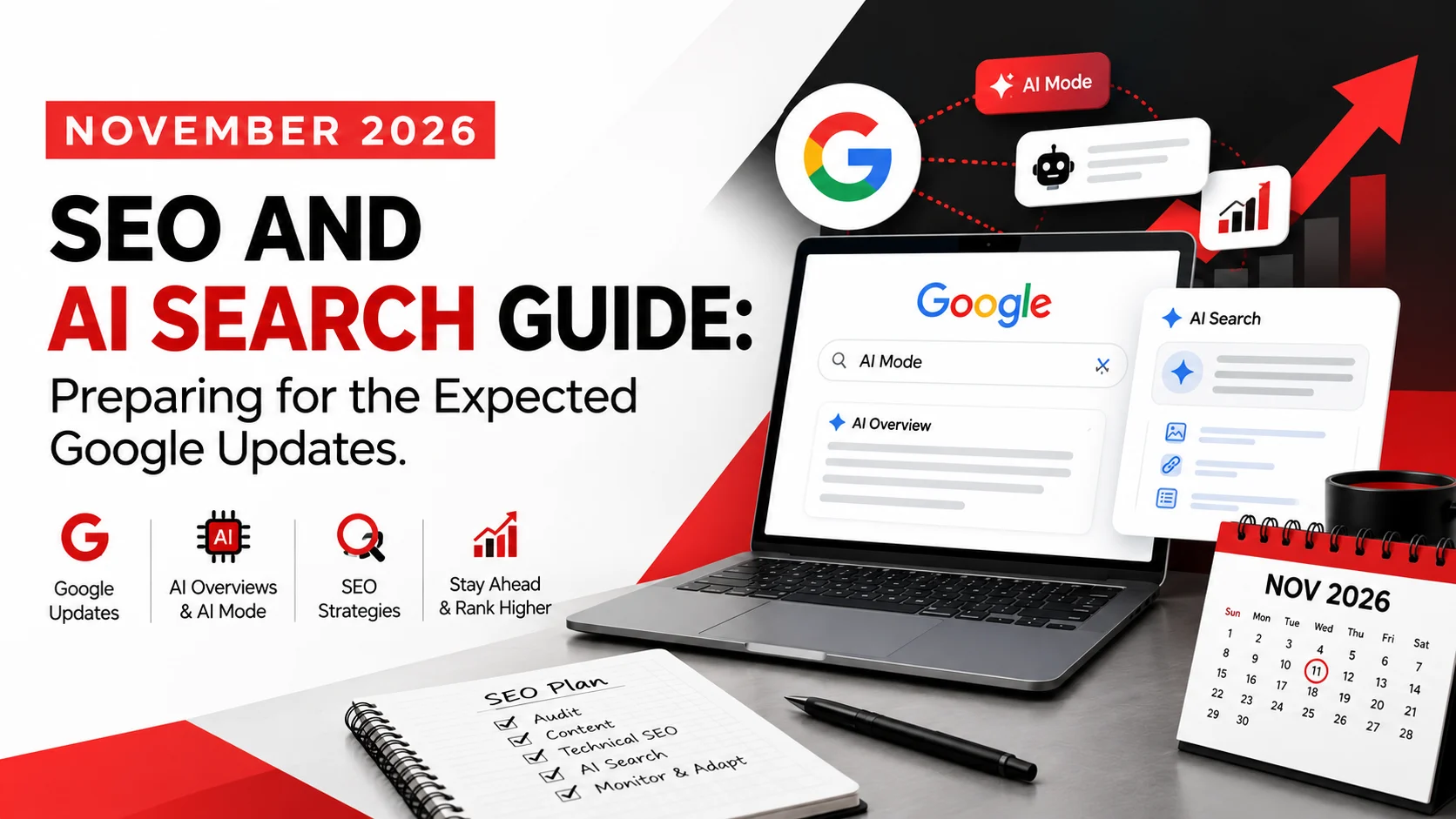
November compresses a year of buying and booking decisions into a few weeks, and Google's results pages keep changing around those decisions. This November 2026 SEO and AI Search Guide separates what Google has confirmed from what is only speculation, then turns that into a practical plan. You will learn how to verify announcements, read AI Overviews and AI Mode data, match holiday search intent to the right pages, catch technical risks early, and measure results without guessing. Preparing now matters because the sites that handle holiday demand well usually did the quiet work in October, before a traffic dip or a broken form forced a rushed reaction.
Why November 2026 Is a Critical Window for SEO and AI Search Visibility
Demand arrives in a short, predictable burst. Thanksgiving falls on November 26, Black Friday on November 27, and Cyber Monday on November 30, followed by December delivery deadlines and year-end service bookings.
In practice:
- Ecommerce: Shoppers research gifts, compare prices, and check shipping cutoffs, so product pages, category pages, and return policies carry weight.
- Service businesses: A heating contractor sees emergency repair searches rise with cold weather. An accounting firm sees year-end planning questions.
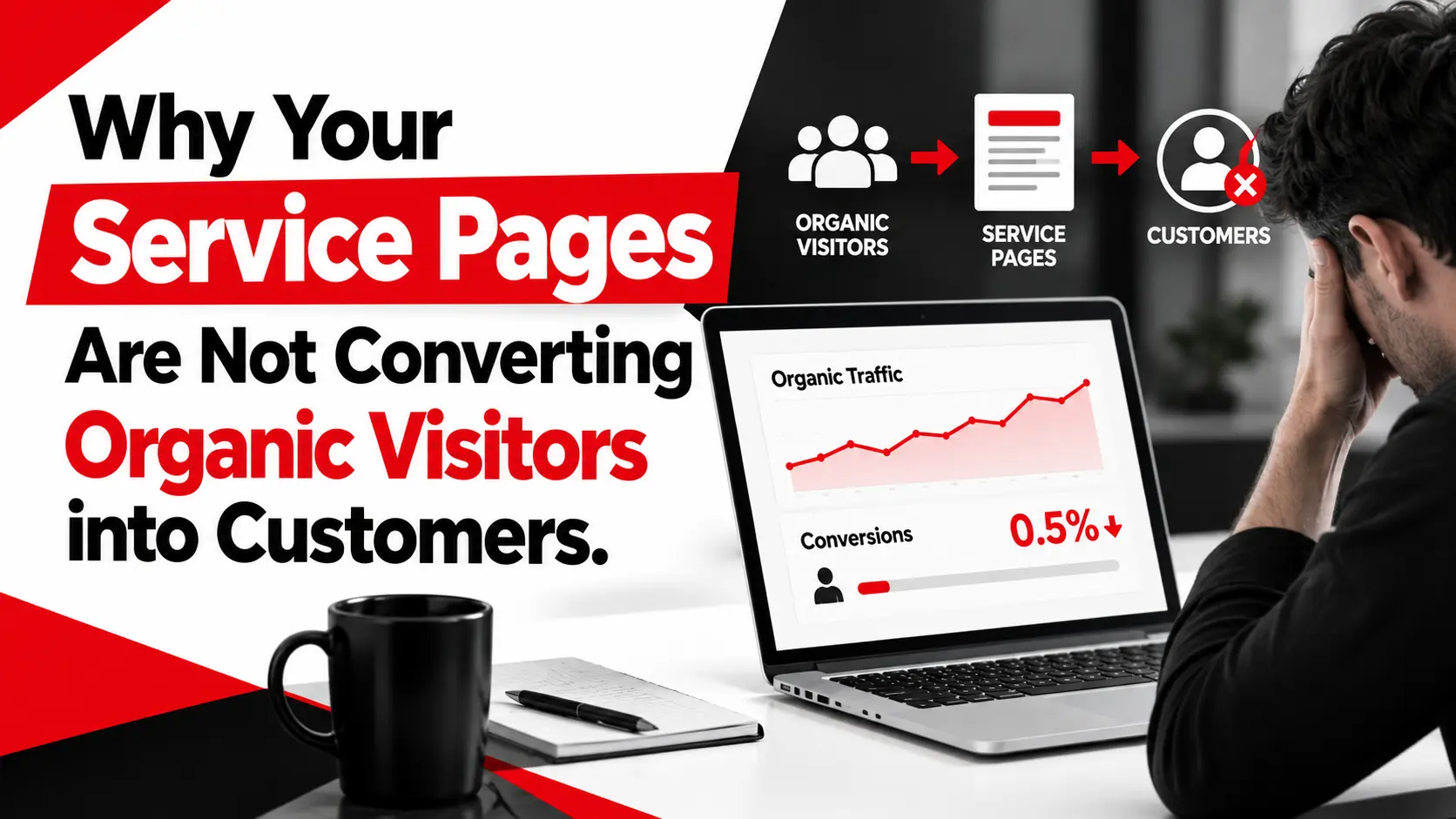
Visibility now includes AI-assisted discovery. Someone may meet your brand in an AI answer, search for it later, and convert days afterwards. Being cited does not guarantee a visit, and a visit does not guarantee a lead, so measure each stage separately.
Prepare early, because fixes need time to be recrawled. Also, do not confuse seasonality with an algorithm change. Compare with the same period last year before deciding anything is wrong.
Understanding the Expected Google Update and Its Likely Focus Areas
Start with a clear distinction. A confirmed update appears on Google's Search Status Dashboard. An expected update is a prediction, usually based on past cadence.
Confirmed status. As of late October 2026, the dashboard lists a February Discover update, a March spam update, core updates starting March 27 and May 21, and spam updates in June, August, and September. The September update began September 24 and ran about 13 days. I found no announced November 2026 core or spam update. Some commentators predict a late-2026 core update, but Google has not confirmed one. Treat any specific date as unverified until the dashboard shows it.
Google's core update documentation says most sites need not worry about core updates, and that smaller core updates happen without announcement. The recurring themes are useful content, relevance to search intent, technical accessibility, and spam prevention.
Diagnose before you change anything. If traffic falls, check in order:
- Does the drop match a dashboard date, a holiday, or a campaign change?
- Is only Google organic down, or every channel?
- Which pages, queries, devices, or countries drive it?
- Is tracking intact (tags, consent, filters)?
- Are there crawl errors, stray noindex tags, or server failures?
- How do the same weeks last year compare?
Google's guide to debugging search traffic drops follows similar logic. Rewriting pages blindly erases your baseline and can remove content that was working.
Key Changes in AI Overviews and AI Mode Since July 2026
AI Overviews are AI-written summaries within regular results. AI Mode is a conversational experience for follow-up questions. Both link to sources.
Verified developments:
- August 28, 2026: Google told Search Engine Roundtable that AI Overviews may dynamically expand for some queries, pushing standard results lower.
- October 15, 2026: Google announced link updates: inline links higher in responses, a test of a dedicated official-website section, wider news carousels, and more prominent related-article links.
- Measurement: Search Console's June 3 Generative AI reports were later rolled out worldwide. They show impressions only, not clicks.
I found no other verified post-July launches that change requirements, so I claim none.
Google's AI features documentation says no additional requirements or special optimisations are needed. Standard SEO still applies: indexable pages, accurate original content, clear headings, and descriptive internal links. No AI-only tactic guarantees inclusion. Put answers near the top, state prices, service areas, and policies in plain text, and use headings that match real questions.
Separate three outcomes: appearing as a source (impressions), earning a click, and generating a lead. Use the AI report for presence, the main Performance report for clicks, and analytics for conversions. Do not add the two Search Console views together, because AI impressions are already in overall totals.
How Holiday Search Intent Shifts from Thanksgiving Through December
Intent changes week by week. Map each stage to a page and a next step.
- Early November (research): Informational queries dominate: "best space heater for a small apartment," "when to schedule furnace maintenance." Use guides and comparisons that link to relevant products or services.
- Black Friday and Cyber Monday (comparison and purchase): Commercial and transactional queries rise: "[brand] vs [brand]," "standing desk deals," "buy robot vacuum online." Send these to product pages, category pages, and offer pages with current pricing and stock.
- Thanksgiving weekend (urgent needs): Local searches appear: "emergency plumber open Thanksgiving," "pharmacy open near me." Send these to location pages, click-to-call buttons, and accurate hours.
- December (deadlines): Think "last day to order for Christmas delivery," "gift cards online," "book holiday cleaning service." Use shipping cutoff pages, gift card pages, and fast booking forms.
- Late December and January (aftercare and planning): Expect "return policy," "gift card balance," and "troubleshooting [product]." Support pages and January planning content serve these needs.
These dates follow the US calendar. If you serve other regions, swap in local timing.
Content Strategies That Align with Quality Updates and Seasonal Demand
Begin in Search Console. Filter for pages with high impressions and low click-through rate (CTR, the share of impressions that become clicks), falling clicks, or visits without conversions.
Refresh or publish new? Refresh when a page already targets the topic and is outdated or incomplete. Publish new when the intent differs, such as a Black Friday buying guide that a general product page cannot serve. Two pages competing for one query usually hurt each other.
A strong update includes:
- Corrected facts, dates, and pricing.
- Answers to questions users actually ask, found in Search Console queries and customer emails.
- Original insight such as your process, photos, checklists, or expert commentary. Claim only experience you really have.
- Clear headings, short paragraphs, and one obvious call to action.
- Descriptive internal links between blog posts, service pages, and location pages.
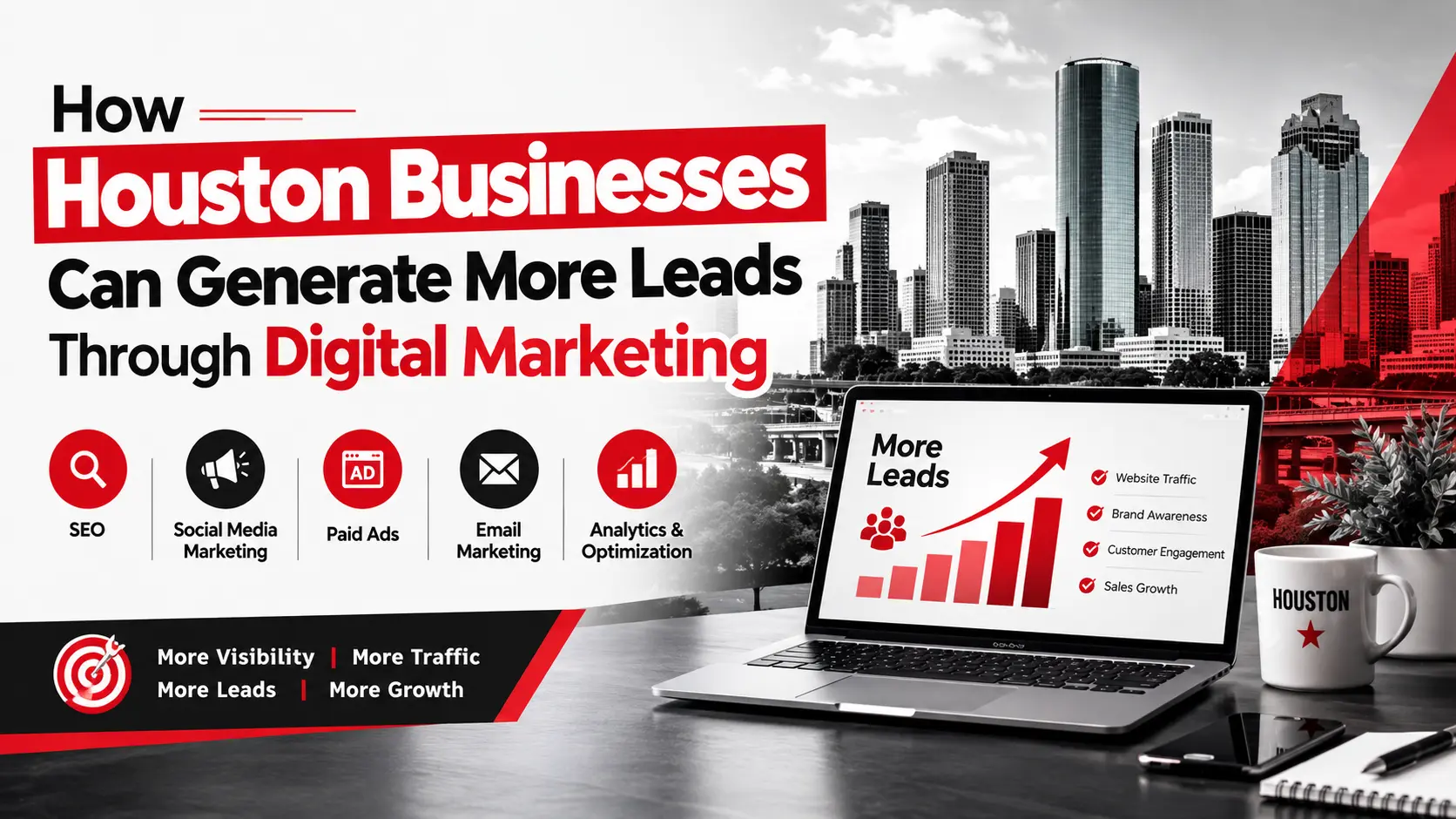
Illustrative example. Suppose a Houston heating contractor's "Furnace Repair" page earns impressions but few clicks and calls. The team rewrites the title and snippet to reflect same-day availability, adds a "what to check before you call" section, lists service areas and holiday hours, explains how pricing works, and links to it from a winter maintenance article. This is an example, not a client result.
Technical SEO Checks Required Before Holiday Traffic Spikes
Not every warning affects rankings. Prioritise by impact on crawling, usability, conversions, and revenue.
Fix immediately:
- Accidental noindex tags, robots.txt rules blocking key pages, and wrong canonical tags.
- Server errors, downtime, slow checkout, and broken carts or forms.
- Broken analytics tags, consent settings that block all measurement, and missing conversion events.
- XML sitemaps listing redirected or deleted URLs for your most important pages.
- Mobile layout problems on landing pages and checkout.
Schedule for later:
- Short redirect chains on low-value URLs.
- Minor Core Web Vitals gaps (Google's loading, responsiveness, and stability metrics) on pages that do not drive revenue.
- Duplicate or outdated pages with little traffic.
- Structured data warnings that do not affect eligible features. Make sure your markup is accurate and follows Google's structured data policies.
Test like a customer. Submit every contact form, place a test order, call the tracked phone number, and confirm each action appears in analytics. Check hosting capacity and caching before you increase ad spend.
If you would rather hand this off, our team offers web development and performance work alongside technical SEO reviews.
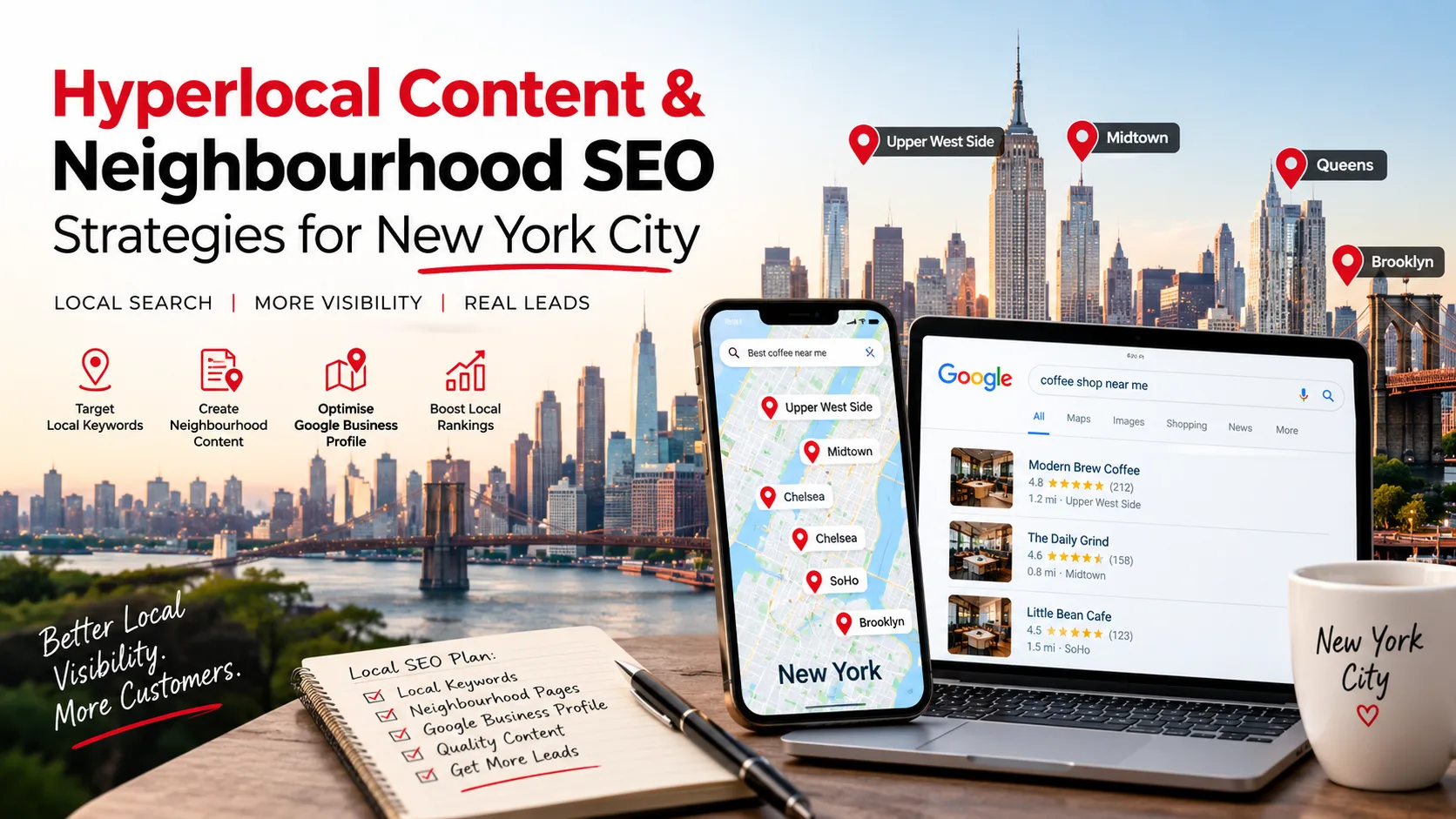
Local SEO and Google Business Profile Optimisations for the Holiday Season
- Hours: Add special hours for Thanksgiving, Christmas Eve, Christmas Day, and New Year's Day.
- Core details: Check your primary category, phone number, website link, services, and service area.
- Reviews: Ask real customers for feedback and reply professionally. Never buy or fake reviews.
- Updates and photos: Post accurate seasonal offers, current photos, and service information.
- Location pages: Include real local details such as team, address, and service neighbourhoods. Avoid doorway pages that swap only the city name.
Realistic example. A Phoenix pool service sets holiday hours, adds an "equipment repair" service, updates photos of its trucks, and links its Business Profile to a Phoenix page that lists covered neighbourhoods and a booking form. It then tracks calls, direction requests, and forms weekly.
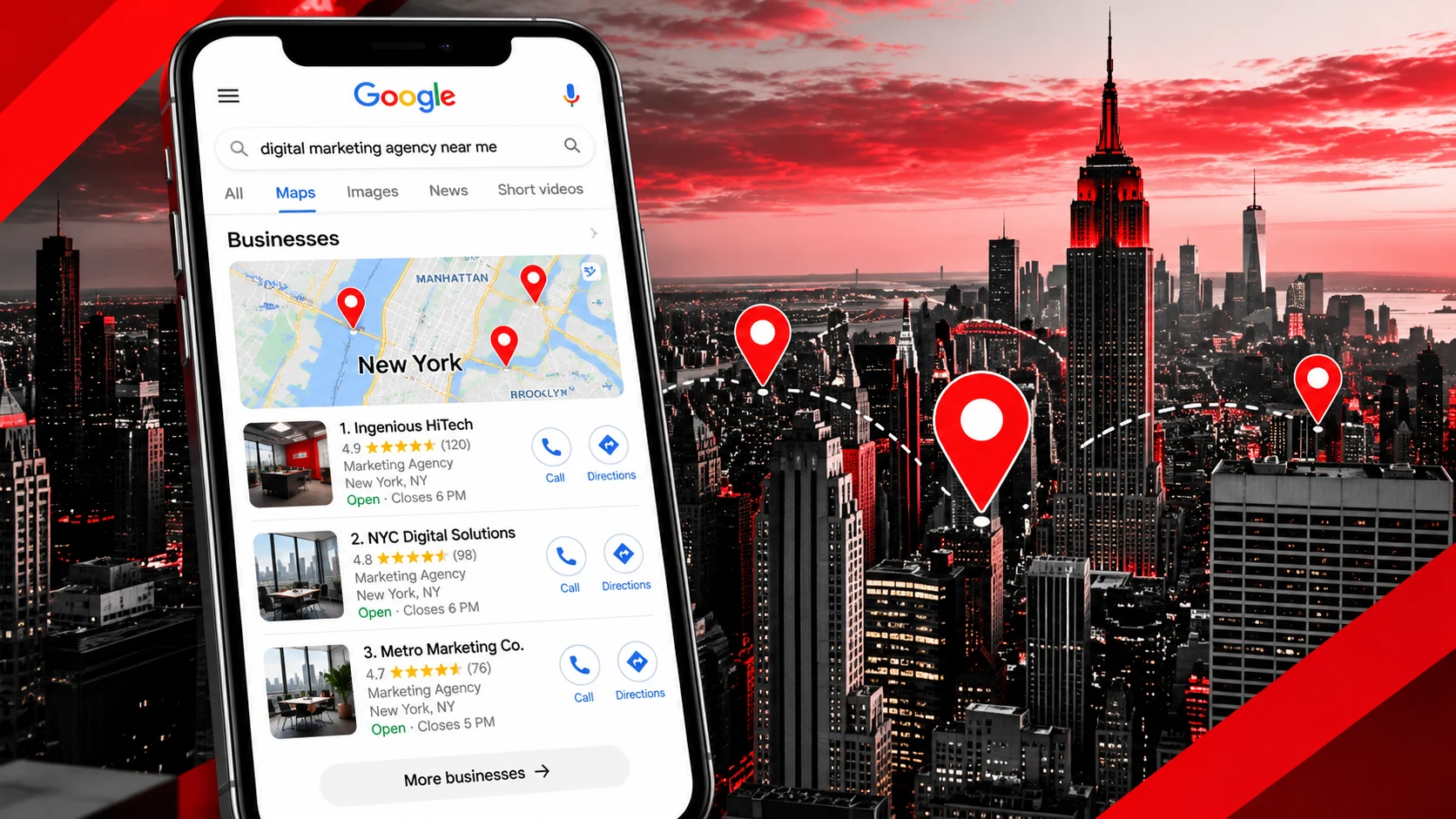
Profile completeness does not guarantee higher rankings, and Google's business representation guidelines prohibit misleading information and keyword-stuffed business names. For more, read our guide to ranking on Google Maps in New York.
Metrics and Monitoring Framework for Tracking Update and Holiday Performance
Set a baseline now. Record at least four recent weeks of Search Console impressions, clicks, CTR, average position, and top queries, plus analytics organic sessions, engagement, key events, and conversions. Add leads, calls, form submissions, lead quality, and Business Profile interactions.
Compare correctly. Check against recent weeks for momentum and against the same period last year where data is reliable. Segment by landing page, query type, device, country, and branded versus non-branded searches.
Suggested schedule:
- Daily (November 20 to December 5): conversions, forms, calls, and site errors.
- Weekly: Search Console trends, top pages, and Business Profile data.
- Monthly: lead quality, AI report impressions, and content performance.
Why fewer clicks do not always mean lower rankings. Imagine a guide holding an average position of 3 while clicks fall. An AI Overview answering the question, a new shopping or video block, easing seasonal demand, or fewer branded searches after a campaign ended could all explain it. Stable position with lower CTR points to a changed results page, not a penalty.
Step-by-Step November 2026 Preparation Checklist
Phase 1: Verify and Measure
- Confirm official Google update announcements.
- Record baseline rankings, clicks, conversions, and leads.
- Check analytics and conversion tracking.
Phase 2: Audit and Prioritise
- Identify underperforming pages and technical issues.
- Review indexation, internal links, and seasonal opportunities.
- Rank problems by urgency and business impact.
Phase 3: Improve and Validate
- Update high-potential content and fix critical technical issues.
- Improve service pages, local information, and conversion paths.
- Test mobile usability and lead forms.
Phase 4: Monitor and Adapt
- Track organic visibility and conversions.
- Investigate unusual changes before acting.
- Document fixes and outcomes, and keep reviewing beyond November.
A seven-day sprint for a small team:
- Day 1: Check the dashboard, export baselines, test tracking.
- Day 2: Crawl the site and list issues by severity.
- Day 3: Fix critical technical and form problems.
- Day 4: Update three to five high-potential pages.
- Day 5: Add internal links, set holiday hours, refresh the Business Profile.
- Day 6: Test mobile pages, checkout, and calls.
- Day 7: Build the weekly dashboard and log what changed.
Days 1 to 3 protect revenue and measurement. The rest can slip a week without major harm.
Frequently Asked Questions About the November 2026 SEO Landscape
1. Is Google releasing a major algorithm update in November 2026?
As of late October 2026, none has been announced on the Search Status Dashboard. Predictions exist, but they are not confirmations.
2. What are the most important SEO updates for November 2026?
The confirmed items are the September 2026 spam update, the August 28 expansion of AI Overviews for some queries, the October 15 AI link changes, and Search Console's AI impression reports.
3. How should businesses prepare for the Expected Google Updates?
Verify announcements, set baselines, fix critical technical issues, improve useful content, and monitor leads. These steps help whether or not an update arrives.
4. How do AI Overviews and AI Mode affect organic search traffic?
They can change what searchers see and click, especially for informational queries. Effects vary, so measure your own data.
5. Can a website appear in AI search without special AI schema?
Yes. Google says no special markup or additional requirements apply. Pages still need to be indexable and eligible for Search.
6. Should businesses update existing content before publishing new blog posts?
Usually, if the existing page targets the same topic and has potential. Publish new content when the intent is different.
7. How can I determine whether a traffic decline is caused by a Google update?
Match the drop to dashboard dates, compare year over year, segment by page and query, and rule out tracking and technical causes first.
8. Which SEO metrics should businesses monitor during the holiday season?
Impressions, clicks, CTR, position, conversions, calls, lead quality, and Business Profile actions, segmented by page, device, and query type.
Conclusion: Strategic Recommendations for Sustaining Visibility Through the Holidays and Beyond
The most reliable November plan is simple: verify Google's announcements, improve pages that deserve to rank, match content to holiday intent, keep your site fast and functional, and track qualified leads rather than traffic alone. Rumours move faster than facts, but steady measurement beats reaction every time, and it keeps your decisions grounded in your own data. If you would like help with technical SEO, content strategy, AI search visibility, website optimisation, or organic lead generation, the team at Ingenious HiTech is glad to review your site and suggest practical, realistic next steps for your goals. Contact us to start the conversation.